Learning Systems
At Nalanda, learning systems are designed
with both these realities in mind.
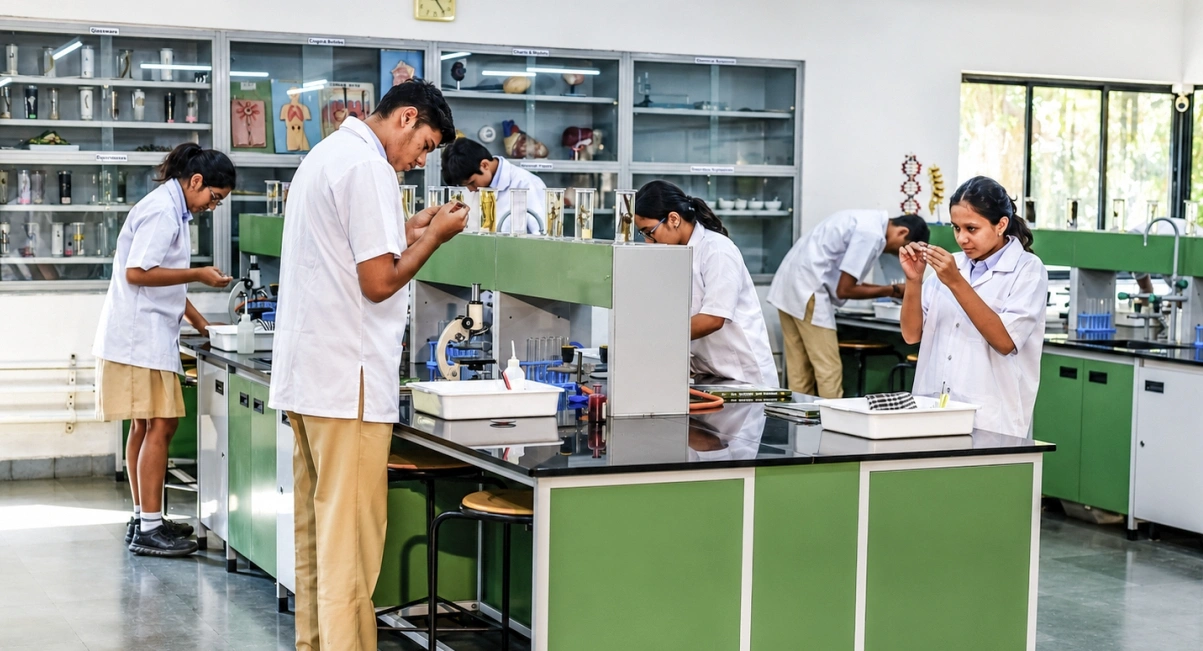
The school combines progressive educational practices with thoughtful use of technology, interactive learning environments, collaborative experiences, and hands-on exploration to create classrooms that feel dynamic, engaging, and deeply human. Every tool, method, and learning environment is chosen with the key intention to help children become confident learners for life.
Our talented and experienced educators continuously innovate curriculum, pedagogy, systems, and practices for effectively preparing our students to thrive in this evolving world.
Through our blended learning environments and interactive digital systems, we ensure that students remain connected to learning in ways that are flexible, engaging, and responsive to changing educational needs.
Smart Boards
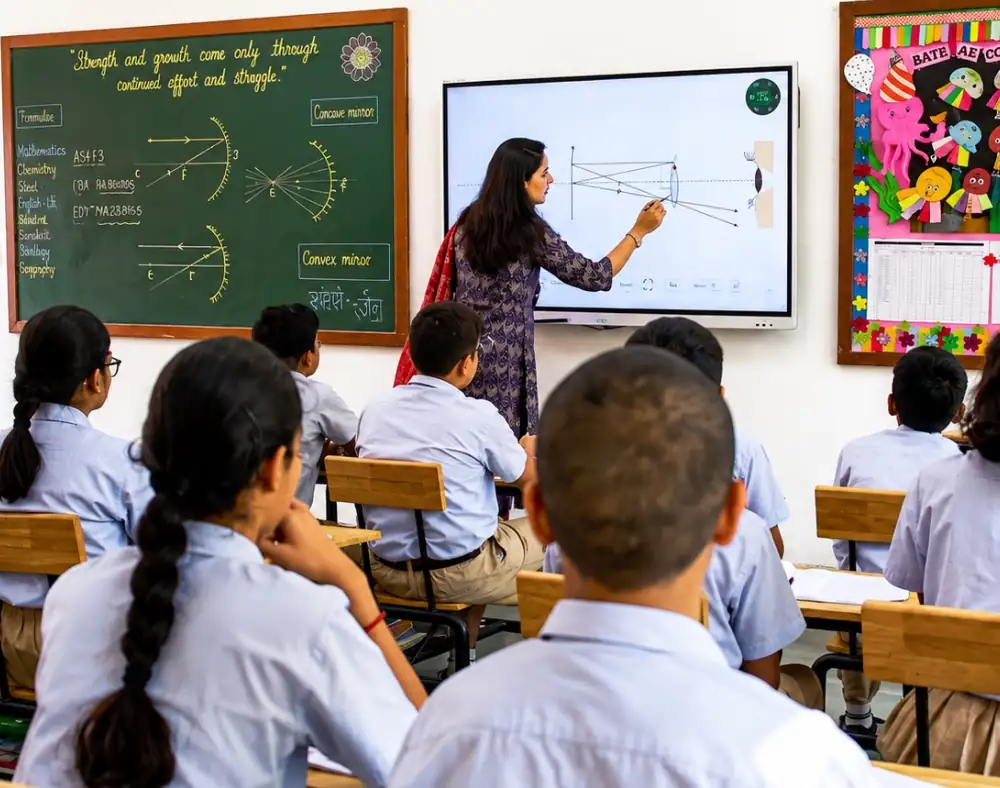
When learning becomes visual, interactive, and immersive, curiosity naturally comes alive.
Nalanda's smart classrooms blend the warmth of traditional teaching with the possibilities of modern technology. Concepts become easier to visualise, discussions become more engaging, and lessons transform into experiences children remember long after the class ends.
More importantly, technology here never replaces the teacher. It simply gives great educators more meaningful ways to inspire understanding.
Library
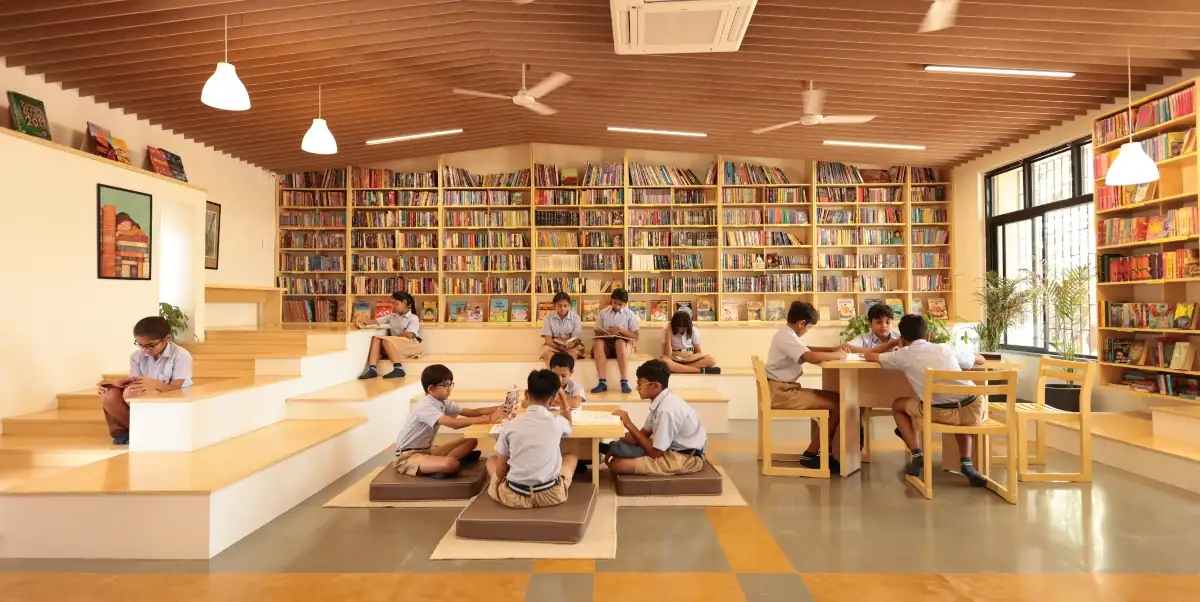
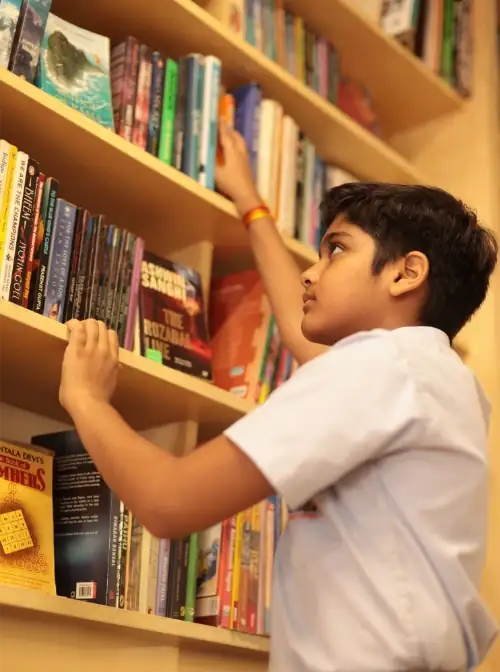
Every library quietly holds thousands of journeys waiting to begin.
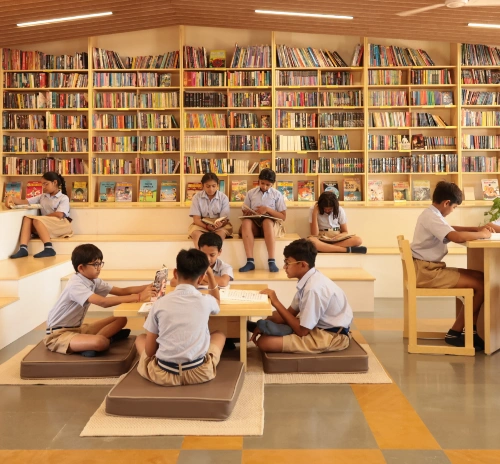
Nalanda's libraries are spaces of wonder, silence, imagination, and discovery where children slowly develop a lifelong relationship with books and ideas. Within these shelves live adventures, histories, science, poetry, dreams, questions, and worlds children may never have encountered otherwise.
Some students enter searching for information and leave having discovered new passions. The libraries nurture not only reading habits, but also reflection, concentration, curiosity, and the joy of learning beyond textbooks.
Digital Learning
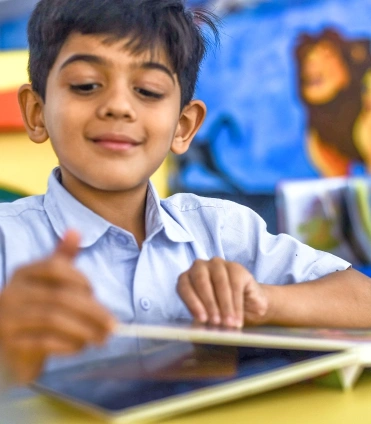
Technology is woven thoughtfully into everyday learning at Nalanda, helping students become confident participants in a rapidly evolving world.
From computer studies introduced in the early years to digital platforms that support collaborative and blended learning, children gradually learn how to engage responsibly, creatively, and intelligently with technology.
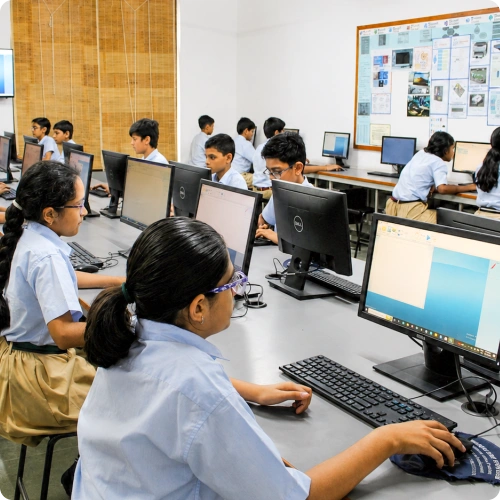
Yet even in an increasingly digital world, Nalanda continues to place equal importance on conversation, imagination, reflection, and human connection.
Open Classrooms –
The Gurukul Concept
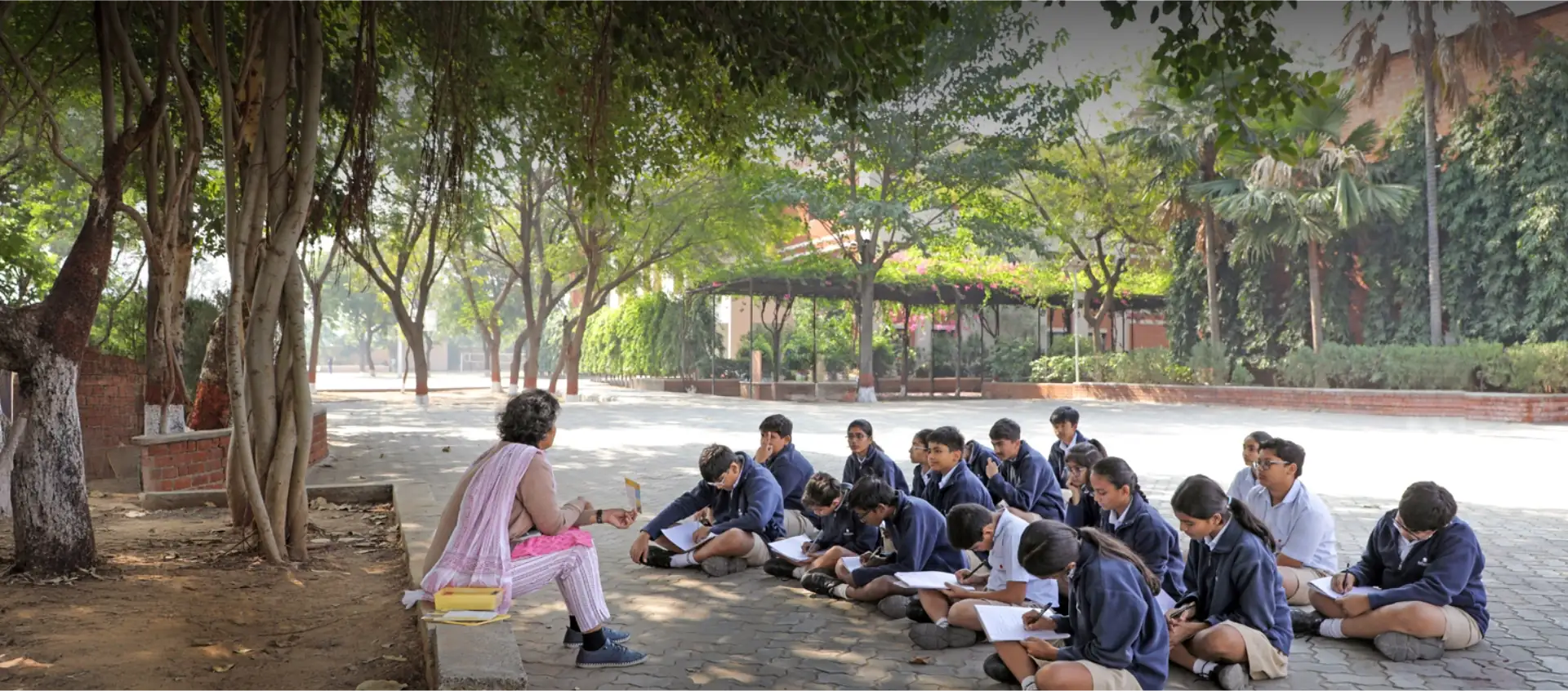
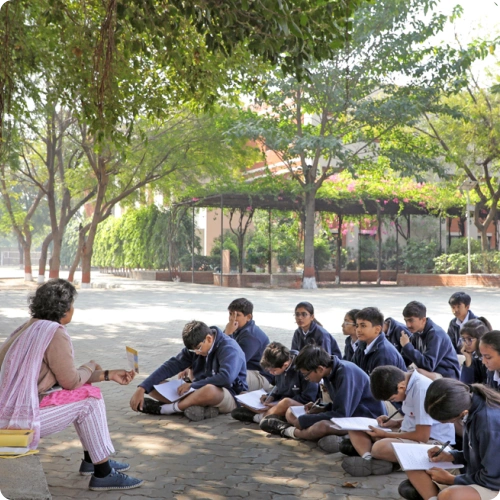


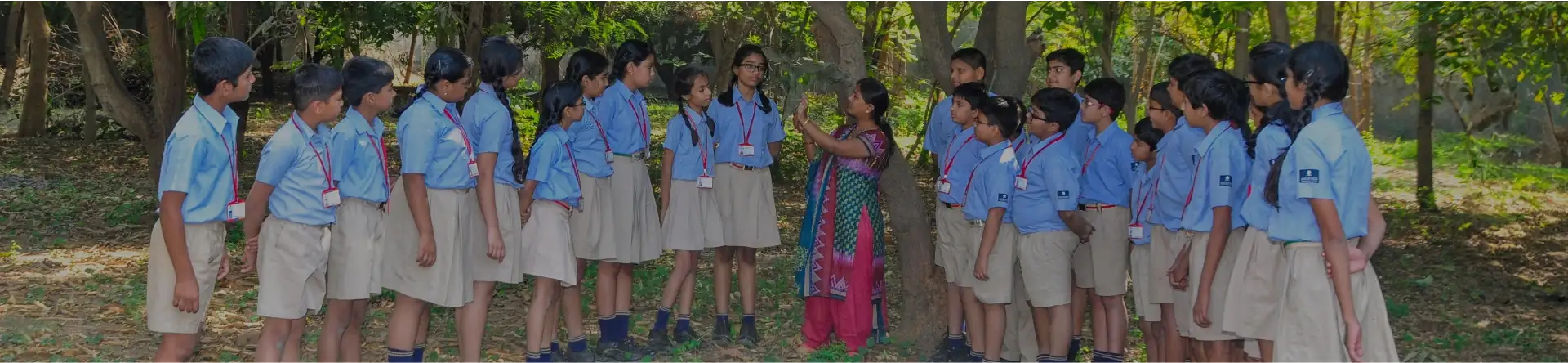
Some lessons are best understood beneath open skies.
Inspired by the ancient Gurukul tradition, Nalanda's open classrooms create moments where nature itself becomes part of the learning experience. The rustle of leaves, shifting light, fresh air, and openness invite children to observe more deeply, think more freely, and feel more connected to the world around them. In these spaces, learning feels less confined and more alive.
Indian Ethos - The school's philosophy is rooted in the Indian concept of Purushārtha, which views education as a journey toward the holistic development of the individual. It seeks to cultivate Dharma by nurturing values, ethical conduct, and a sense of social responsibility. Through the pursuit of Artha, students are equipped with the knowledge, skills, and excellence needed to contribute meaningfully to society. The school embraces Kama by fostering joy, creativity, emotional well-being, and a love of learning. Ultimately, it aspires toward Moksha, guiding learners to develop self-awareness, purpose, inner freedom, and a life of integrity.

Comprehensive and Continuous Evaluation
At Nalanda, assessment is viewed not merely as a measure of performance, but as a way of understanding every child's learning journey more meaningfully. Along with academic evaluations, the school follows a comprehensive and continuous approach that also values participation, projects, practical application, presentations, classroom interaction, oral expression, and overall progress across different areas of development.
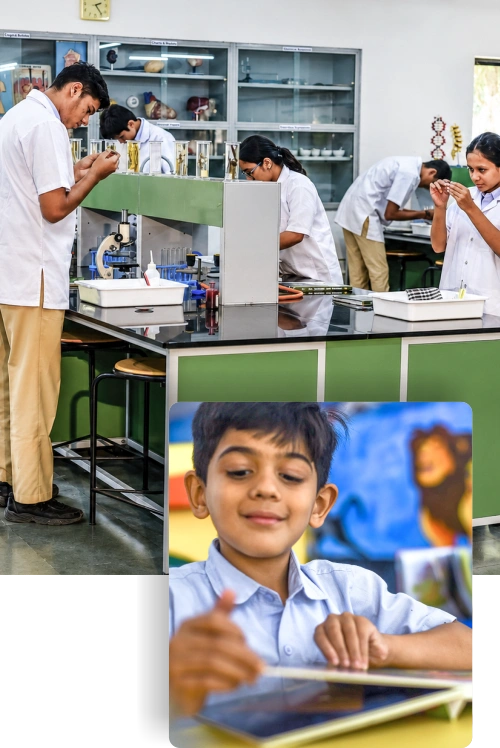
Regular observations, constructive feedback, reinforcement support, enrichment opportunities, and personalised guidance help educators identify both strengths and areas where children may need additional encouragement. This balanced approach allows students to build understanding with confidence rather than experience learning as pressure alone.